
Safety in Autumn
Pumpkin Spice Lattes have entered the coffee shops- autumn must be approaching!
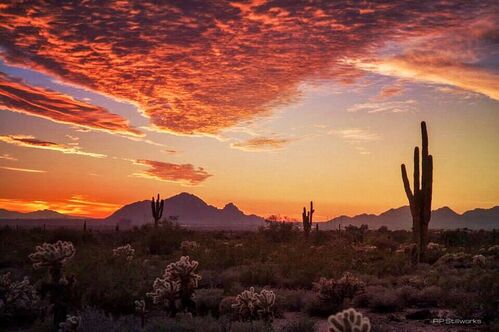
Here in the valley of Arizona, our fall looks a little different than most of the country. We don't see the leaves change color, we don't feel the crisp autumn air throughout the day, and we certainly aren't wearing sweaters! I'm sure we all remember sweating through our Halloween costumes while half the country was seeing snow on the ground. Looking at the beautiful colors and cozy cardigans in Stars Hollow certainly pangs some jealousy!
Due to these seasonal differences, keeping ourselves and our kids safe during these autumn months requires careful attention. Today I will be talking about some key safety considerations for an Arizona autumn.
Here in the valley of Arizona, our fall looks a little different than most of the country. We don't see the leaves change color, we don't feel the crisp autumn air throughout the day, and we certainly aren't wearing sweaters! I'm sure we all remember sweating through our Halloween costumes while half the country was seeing snow on the ground. Looking at the beautiful colors and cozy cardigans in Stars Hollow certainly pangs some jealousy!
Due to these seasonal differences, keeping ourselves and our kids safe during these autumn months requires careful attention. Today I will be talking about some key safety considerations for an Arizona autumn.
Heat and Sun
I was born and raised in Arizona, and it always disappointed me to see the news articles every year of hikers who needed to be rescued because they did not properly prepare or take the Arizona heat seriously. As of late July 2026, the Phoenix Fire Department reported handling 129 mountain rescue calls for the year. Even more shocking, fire officials note that roughly 60% to 71% of those needing rescue on major peaks (like Camelback, Piestewa, and South Mountain) are actually Arizona locals rather than tourists!
Even those of us who live in this heat are prone to forgetting its strength. In summer it seems obvious to prepare for extreme heat, but even autumn daytime temperatures here do not drop to comfortable levels until late October, sometimes even later.
It is also important to note that while the threshold for heat stroke is the same in both kids and adults (when the body reaches 104 degrees), kids progress through the stages of heat illness much faster and are substantially more vulnerable to extreme heat than adults.
Here are important signs of heat stroke to be on the lookout for:
Even those of us who live in this heat are prone to forgetting its strength. In summer it seems obvious to prepare for extreme heat, but even autumn daytime temperatures here do not drop to comfortable levels until late October, sometimes even later.
It is also important to note that while the threshold for heat stroke is the same in both kids and adults (when the body reaches 104 degrees), kids progress through the stages of heat illness much faster and are substantially more vulnerable to extreme heat than adults.
Here are important signs of heat stroke to be on the lookout for:
- Mild: Painful muscle spasms (often in the calves or abdomen) or small red bumps on the skin
- Moderate: Heavy sweating, a rapid pulse, dizziness, fatigue, headache, nausea, and fainting
- Severe: Confusion, agitation, slurred speech, seizures, loss of consciousness, and potential organ failure
Beyond the severe cases of heat safety, there are also day to day steps to be aware of to make sure you are putting your best foot forward for the day.
- Hydrate constantly: Pack full water bottles for kids and encourage water breaks throughout the day.
- Apply sunscreen daily: Desert UV rays remain strong even as the calendar turns to autumn; apply SPF before kids head out the door.
- Dress in layers: As morning temperatures drop, daytime temperatures may stay the same. Kids might need a light jacket in the morning, but need to take it off as the day progresses.
- NEVER leave a child alone in a car unattended for any reason, or for any amount of time.
Heat and sun safety are the most important things to be aware of in an Arizona autumn. Keep yourself and your kids safe by checking the weather forecast and packing appropriately each day!

Outdoor Evenings
Autumn brings shorter days, and soon you find that you're having dinner at the same time as always, but it's extra dark outside! Here are some things to keep in mind as night falls earlier and earlier:
Lastly, a lot of us are still enjoying our pools this time of year. Make sure you are keeping pool gates locked. Maintain secure fencing and pool alarms, as warm Arizona autumns still tempt kids to swim. Always have eyes on children playing near water, whether the water source is locked or not.
- Dress for visibility: Days get shorter quickly, so use reflective tape or bright clothing if children play outside near dusk.
- Watch for wildlife: Fall is when desert critters like snakes and scorpions remain active searching for cooler shelter; teach kids not to flip rocks or poke into dark corners.
Lastly, a lot of us are still enjoying our pools this time of year. Make sure you are keeping pool gates locked. Maintain secure fencing and pool alarms, as warm Arizona autumns still tempt kids to swim. Always have eyes on children playing near water, whether the water source is locked or not.
Health and Hygiene
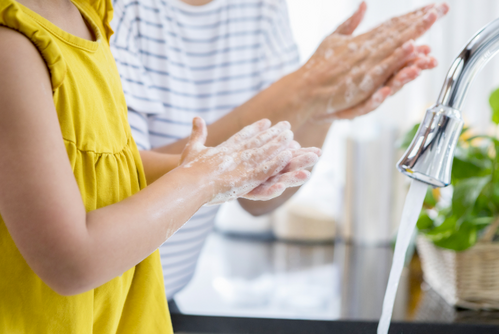
Cold and flu season typically begins around October, but viruses can begin to spread as early as late August. Keep your family safe by encouraging frequent hand washing and showering. Gummy vitamins or drinkables such as Vitamin C packets are also very helpful in preventing sickness.
If your child does come down with an illness, always analyze whether or not it would be appropriate to take them to school. Here is a good checklist of when to keep your child home:
Your child can usually go to school if they only have a mild, stuffy nose, a light cough, or a small sneeze—as long as they have no fever and feel well enough to join in normal daily activities.
If your child does come down with an illness, always analyze whether or not it would be appropriate to take them to school. Here is a good checklist of when to keep your child home:
- Fever: A temperature of 100.4°F (38°C) or higher means they must stay home until they are fever-free for 24 hours without using fever-reducing medicine.
- Vomiting or Diarrhea: Keep your child home if they have thrown up 3 times or had watery stool in the past 24 hours.
- Trouble Breathing: Wheezing, shortness of breath, or fast breathing means they need rest and medical care.
- Bad Pain: Severe earaches, persistent headaches, or sharp stomach pain will stop your child from learning.
- Contagious Infections: Illnesses like strep throat, pinkeye (conjunctivitis), or chickenpox require treatment and time at home. For strep or bacterial infections, they must take antibiotics for at least 24 hours before returning.
- Unusual Rashes: A widespread rash or a rash with an unknown cause should be checked by a doctor before your child goes back to class.
Your child can usually go to school if they only have a mild, stuffy nose, a light cough, or a small sneeze—as long as they have no fever and feel well enough to join in normal daily activities.
Like Summer Like Autumn
The average temperature in Arizona in October is 90 degrees, and while this is a reprieve from those 115 degree days, it still isn't a comfortable average. So when you and your family are out enjoying harvest festivals and pumpkin patches, keep in mind these important safety tips to ensure a happy and safe autumn experience.
And if you find yourself longing for a traditional fall landscape, Arizona offers beautiful scenery and lower temperatures just a short drive away from the valley! Here are some quick day trip ideas to get you into the fall spirit:
And if you find yourself longing for a traditional fall landscape, Arizona offers beautiful scenery and lower temperatures just a short drive away from the valley! Here are some quick day trip ideas to get you into the fall spirit:
Flagstaff AZ
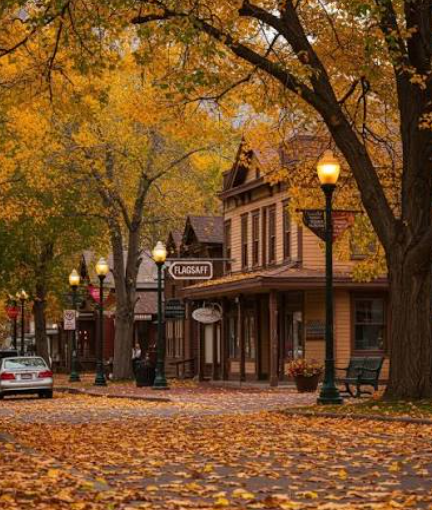
2.5 hours from Chandler, average highs in October range from 57-68 degrees.
2.5 hours from Chandler, average highs in October range from 57-68 degrees.
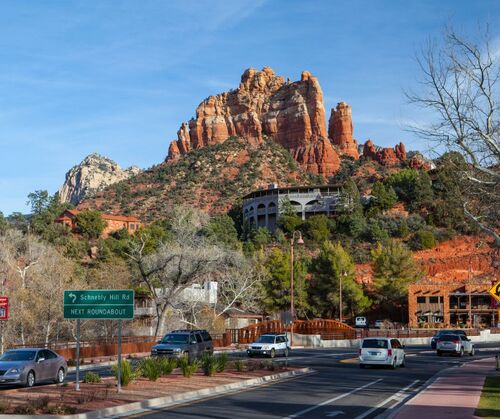
Sedona AZ
2.2 hours from Chandler, average highs in October range from mid 70s to low 80s.
2.2 hours from Chandler, average highs in October range from mid 70s to low 80s.
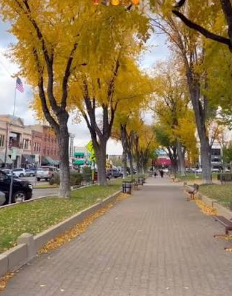
Payson AZ
1.5 hours from Chandler, average highs in October range from 68-80 degrees.
1.5 hours from Chandler, average highs in October range from 68-80 degrees.
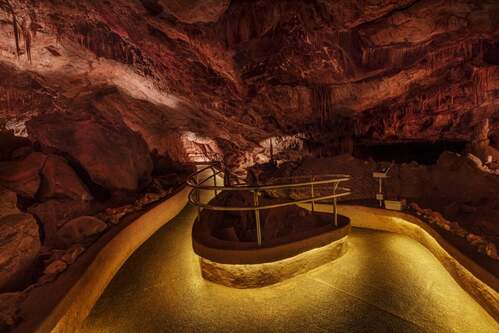
Kartchner Caverns- Benson AZ
Cavern tour 2.5 hours from Chandler, average October high outside is 67 degrees, inside the cave is 70-72 degrees.
Cavern tour 2.5 hours from Chandler, average October high outside is 67 degrees, inside the cave is 70-72 degrees.
Have a happy and safe autumn!
-Makenna
Recent
Archive
2026
Categories
no categories
No Comments